The Era of the Super House Band
Part IV
How did this happen & what replaced it?
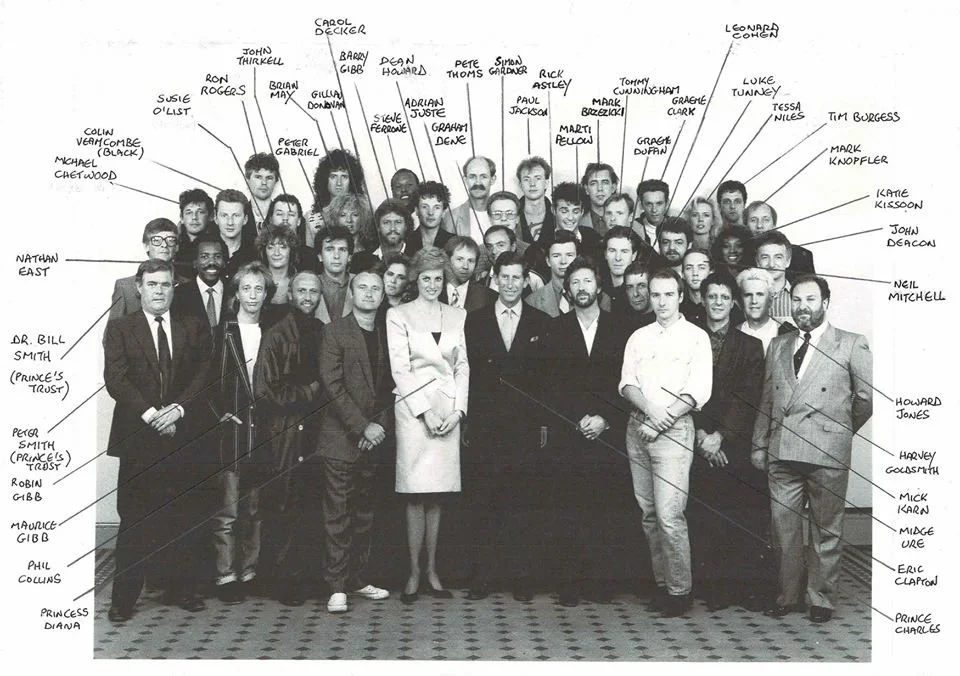
1988 Prince’s Trust Band + Promoters/Managers, with Prince Charles & Princess Diana
Aside from loving many of the artists and the music, it’s an interesting period to explore further.
Why did this intersection of new and established artists repeatedly collaborate in this way, over twenty years, for various causes and events, for it to fade away and not ever be replicated?
I want to explore:
1) The circumstances, individually and culturally, that led this to happen, for well over two decades.
2) When this ‘Rock Troupe’ faded away, why did nothing replace it?
3) Was there anything like this before or after?
Didn’t this start with Live Aid?
1985’s Live Aid certainly lit the fire most brightly that rock/pop music and musicians could combine forces to create huge awareness of charitable causes on a national or global scale. Led by Bob Geldof and Midge Ure (with Harvey Goldsmith promoting the UK leg and Bill Graham the US leg), it raised $127 million in famine relief for African nations, and whilst there are criticisms of the event (or the approach to the event), no one can argue the sheer level of mass public awareness raised.
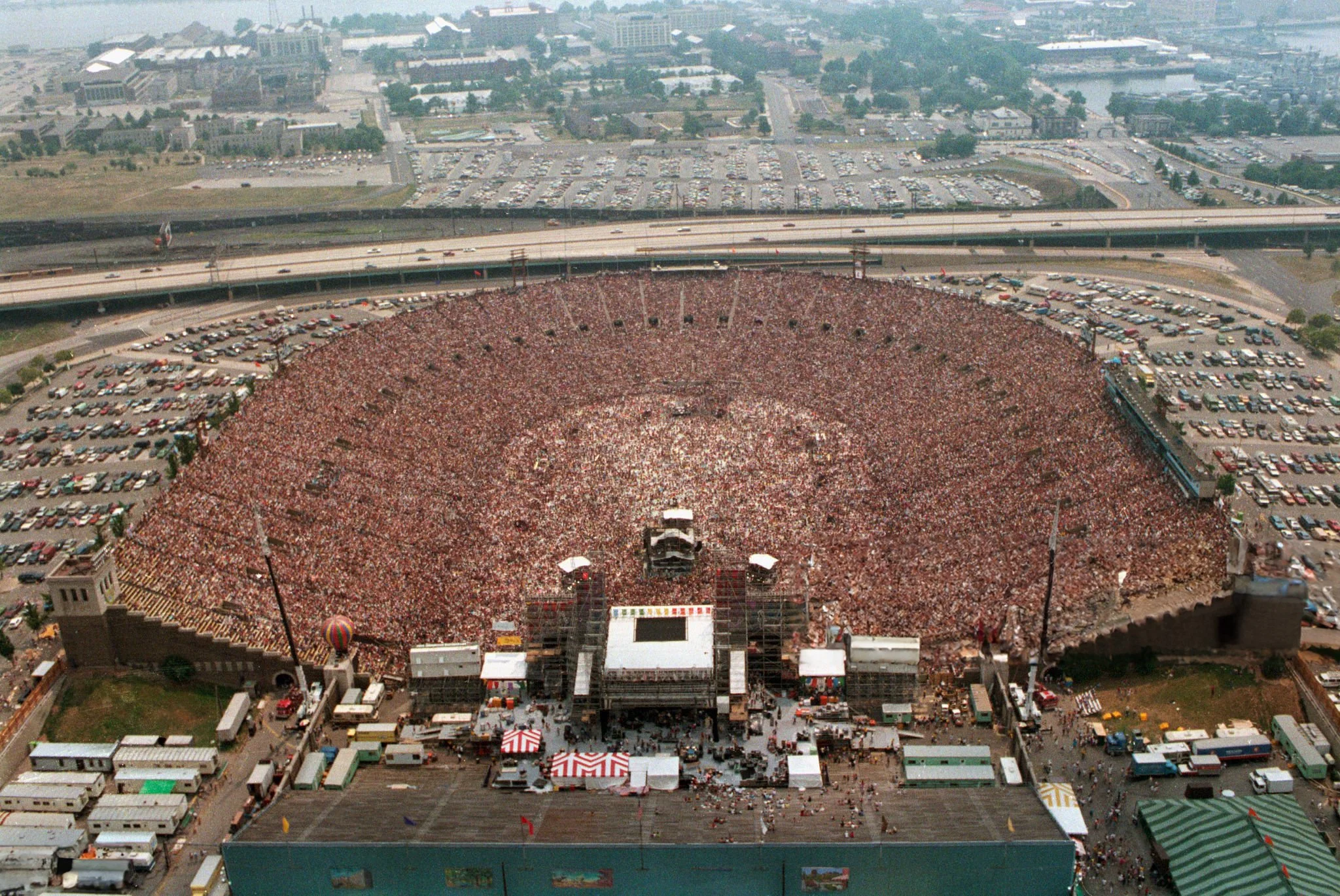
John F. Kennedy Stadium in Philadelphia, hosting the US leg of Live Aid on July 13, 1985 attended by 89,484 people.
Whilst Live Aid did include notable collaborations that occurred throughout the two concerts, (most famously by Phil Collins, who through the aid of the supersonic transport, Concorde, performed his own set and with Sting in London, then with Eric Clapton and Led Zeppelin in Philadelphia, in the same day), it focussed predominantly on artists and bands playing with their own support. I’m sure there are several reasons this approach was decided on, most likely efficiency - bands who all know their songs, for one, are going to be able to (ideally) just turn up and play in addition to the maximum PR value of the sheer number of amazing bands and artist names to draw in global audiences, rather than a singular 'house band’ approach with revolving guest artists coming on and off stage to perform their songs.
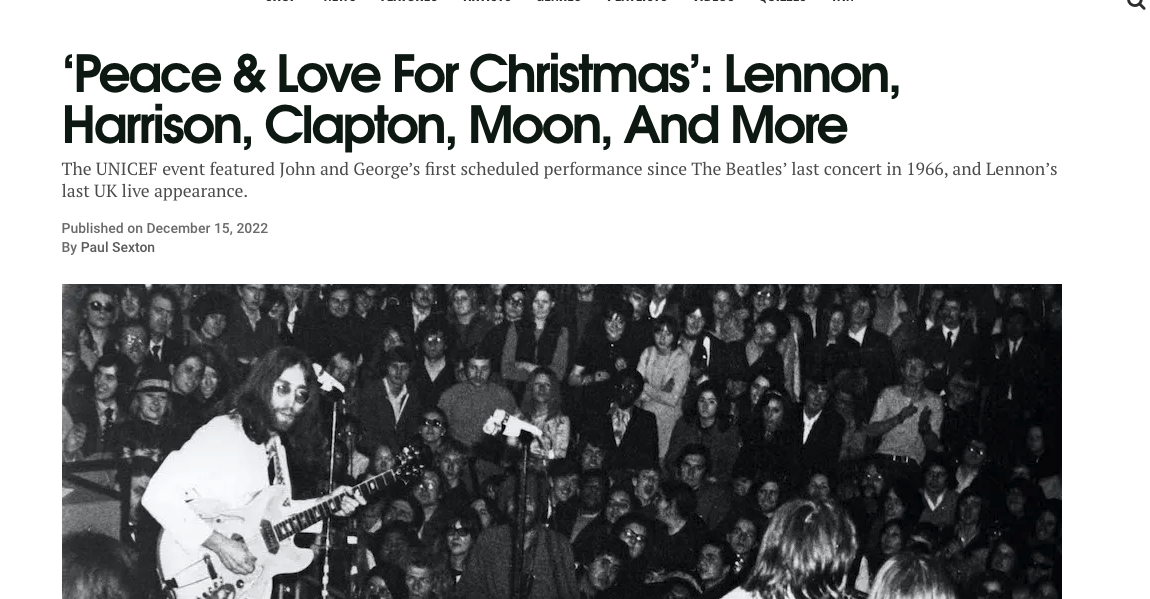
Live Aid represents a far more epic representation of the charity concert, which did start (at least in modern history) with George Harrison’s and Ravi Shankar’s Concert for Bangladesh, in 1971.
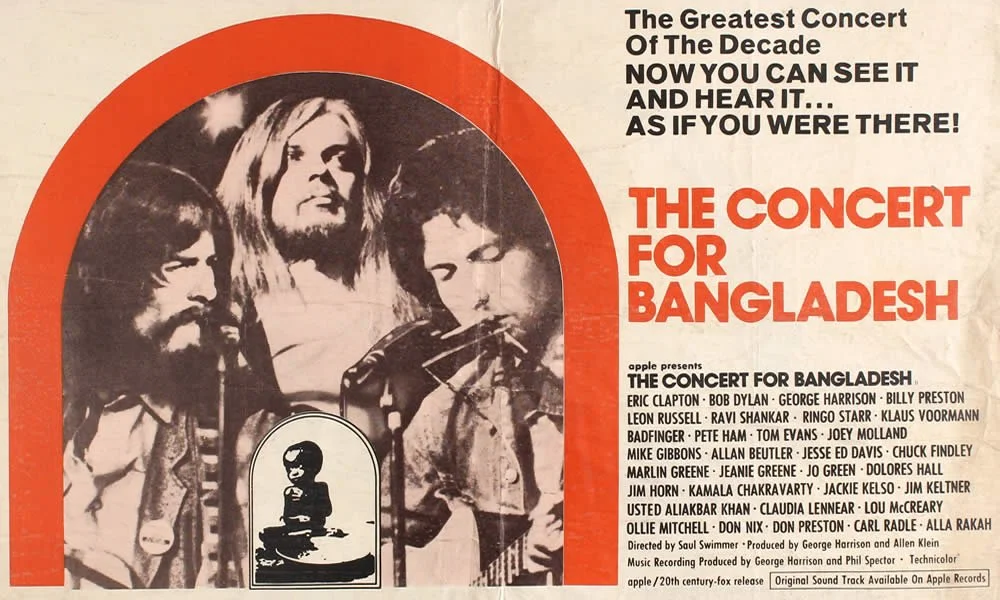
Concert for Bangladesh 1971
There were two performances on Sunday 1st August 1971, at Madison Square Garden, New York City, to raise awareness and fund relief for refugees from East Pakistan (at least 7 million displaced people had poured into neighbouring India), due to the Liberation War between West and East Pakistan, (which eventually led to independence and creation of Bangladesh).
Ravi Shankar brought the issue to the attention of George Harrison, which led to them deciding to do something about it and begin rallying the troops to put a concert together to raise awareness and funds. Harrison states he spent at least a month on the phone calling everyone to see who was up for it and could be in New York for the dates needed. On a complimentary point, there’s a great oral history/documentary about these scenarios to be made about how those calls go down. The recent Netflix documentary ‘The Greatest Night in Pop’ showcases how Lionel Richie, Michael Jackson and Quincy Jones put together the recording session for their Live Aid single ‘We Are The World’, which was thrilling. It would be great to see behind the scenes of Geldof and Ure getting everyone involved for Live Aid.
Someone of Harrison’s stature and personality showed its potency here and pulled in his exceptional friends including fellow ex-Beatle Ringo Starr, Bob Dylan, Eric Clapton, Billy Preston, Leon Russell and the band Badfinger. In addition, Shankar and Ali Akbar Khan performed an opening set of Indian classical music. 40,000 people attended the concerts, and the initial gate receipts raised close to $250,000 for Bangladesh relief, which UNICEF administered.
The concert broadly followed a ‘House Band’ style, with a core band that played throughout, including many of ‘The Artists’ playing throughout. (List below, via Wikipedia).
"The Artists"
George Harrison – vocals, electric and acoustic guitars, backing vocals
Bob Dylan – vocals, acoustic guitar, harmonica
Leon Russell – piano, vocals, bass, backing vocals
Ringo Starr – drums, vocals, tambourine
Billy Preston – Hammond organ, vocals
Eric Clapton – electric guitar
Ali Akbar Khan – sarod
Alla Rakha – tabla
Kamala Chakravarty – tambura
"The Band"
Jesse Ed Davis – electric guitar
Klaus Voormann – bass
Jim Keltner – drums
Pete Ham – acoustic guitar
Tom Evans – twelve-string acoustic guitar
Joey Molland – acoustic guitar
Mike Gibbins – tambourine, maracas
Don Preston – electric guitar, vocals (on "Jumpin' Jack Flash"/"Young Blood" and "Bangla Desh" only)
Carl Radle – bass (on "Jumpin' Jack Flash"/"Young Blood" only)
The Hollywood Horns
Jim Horn – saxophones, horn arrangements
Chuck Findley – trumpet
Jackie Kelso – saxophones
Allan Beutler – saxophones
Lou McCreary – trombone
Ollie Mitchell – trumpet
George Harrison faced legal issues when trying to release the concert on LP, due to contractual conflicts from the different artists playing. Most notably, Bob Dylan’s record company, Columbia/CBS, felt they had a claim to distribute the album over EMI-owned Capitol Records (Apple's US distributor). It was eventually resolved, with them granted tape distribution rights in North America, and record and tape distribution in the rest of the world.
But it was a sign of the times that whilst artists loved collaborating, the paperwork and management were still more archaic, harking back to old studio days where they ‘owned’ the artists.
Collaborators gonna collaborate
Eric Clapton’s now well-known guitar playing on The Beatles’ White Album, on While My Guitar Gently Weeps, was initially officially uncredited, most likely for legal reasons, combined with The Beatles not usually crediting other musicians and Clapton’s classic British conservatism preferring to stay in the shadows.
Harrison returned the favour when Clapton was struggling with his song, which became Badge, on Cream’s 1968 farewell album. Seemingly mocking the whole legal situation, Harrison gets a writing credit but as a performer appears as L'Angelo Misterioso.
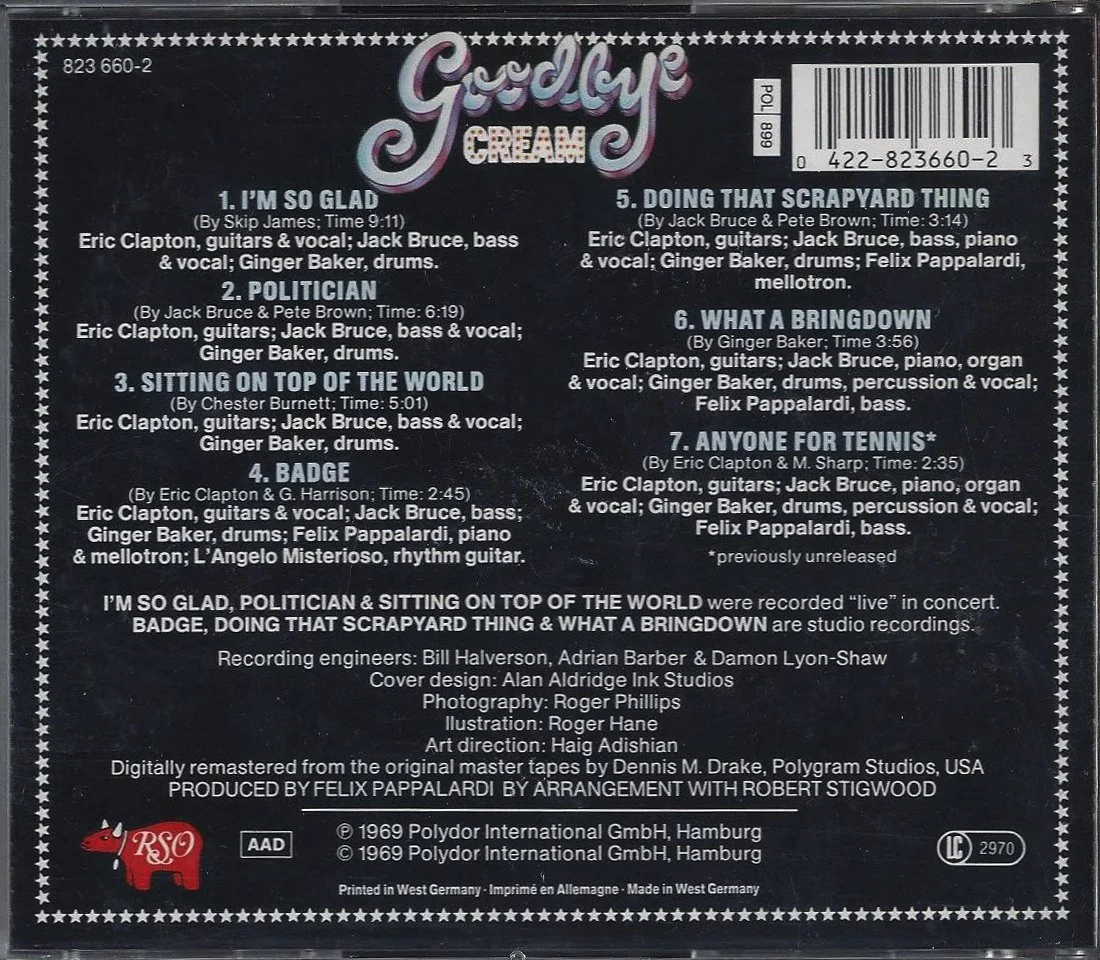
George Harrison credited as "L'Angelo Misterioso" on Cream’s Badge, from their 1968 farewell album ‘Goodbye’
Clapton’s continued presence in this piece is no accident. Arguably one of, if not, the most ‘promiscuous’ artists in Rock.
A combination of loving to play, being a virtuoso guitarist who could turn his hand to various styles of music, being open to collaborating with artists who would expose him to new styles of music, and the comfort of being in the background and not having to be the frontman, made Clapton a perfect session musician or ‘super session musician’ in Rock.
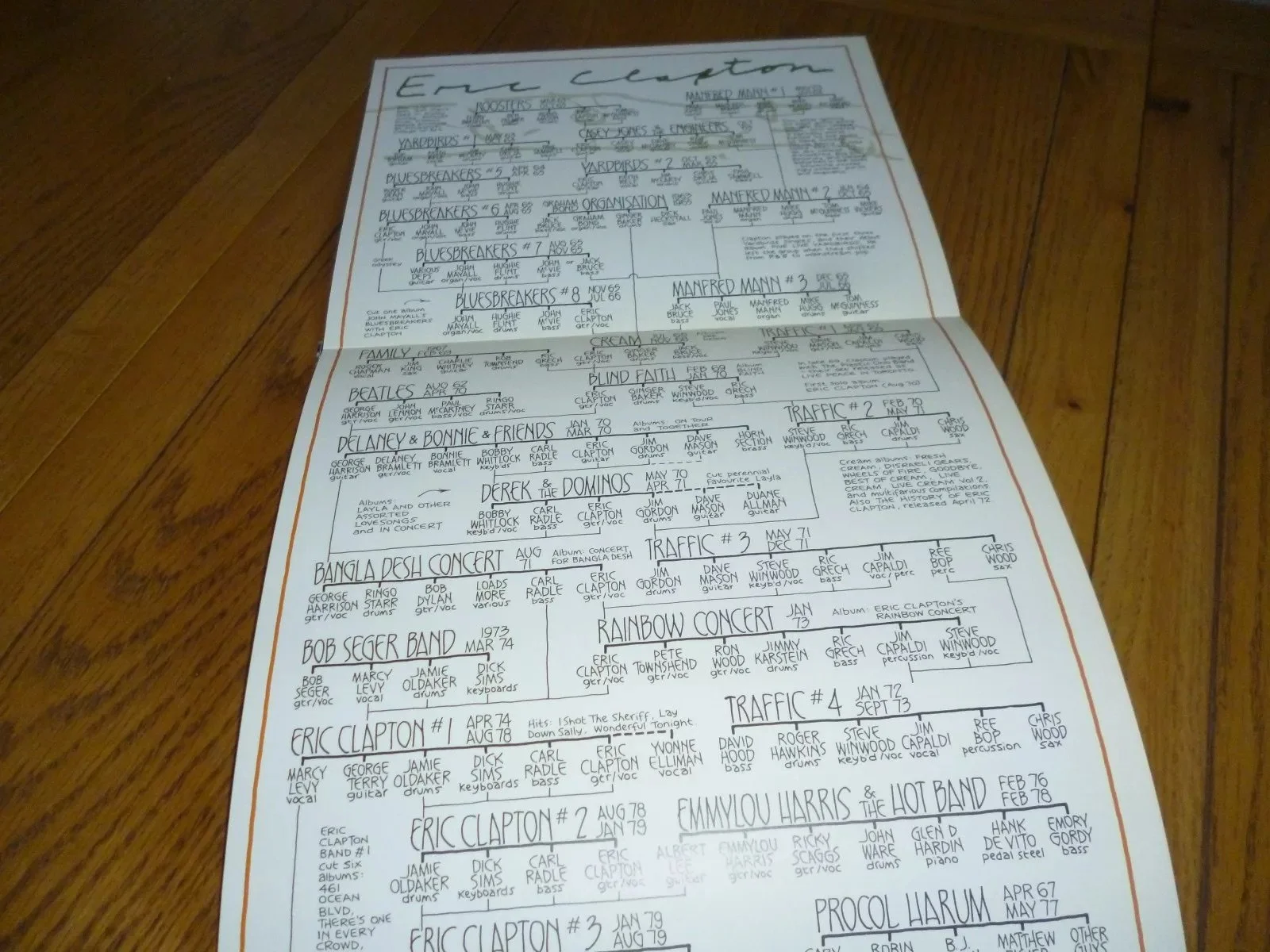
The first two decades of bands and artists Clapton collaborated with in his career (from the Rock and Roll Family Tree)
This ‘promiscuity’ led him to not only collaborate with dozens of artists but collect session musicians along the way, not unlike Thanos collecting the Infinity Stones.
Clapton adding Nathan East to his touring band.
After Clapton collaborated with Harrison in 1968, and a jaunt with Blind Faith after Cream, Clapton met Delaney & Bonnie and deeply connected with them and their band (especially Jim Gordon on Drums, Carl Radle on Bass and Bobby Whitlock on keyboards). So much so, the next three years included elements of that band across a variety of studio albums and live performances; Delaney & Bonnie’s On Tour with Eric Clapton, Eric Clapton’s eponymous Eric Clapton, George Harrison’s All Things Must Pass, Derek & The Dominos’ Layla & Other Assorted Love Songs and then The Concert for Bangladesh.
This kind of collaborative behaviour, which amounts to playing with your friends, is at the bedrock of how and why these charity concerts became such a mainstay for two decades. If they didn’t like or want to play with each other, it would never happen.
“I’ve always done a lot of charity gigs. It’s not just because I’m a good guy and that I believe in doing charity work; it’s because first and foremost I’m a musician. Would you turn down the chance of being on stage with Paul McCartney or George Harrison? We’re all fans of each other – Clapton is a fan of BB King and Bob Marley – that’s why I first learned to play, why I wanted to get into the industry.
We never cease to be fans and that love doesn’t go away. If it ever does I shan’t be there any more. It’s not a matter of ego: it’s about being a musician. It’s not a hardship to go on stage and play a couple of songs to raise money for a good cause, and if there are people there who I respect and admire – some of whom are the reason that I’m a musician in the first place – I want the chance to be in their company. At charity gigs I’ve swapped guitar licks with Eric Clapton and Pete Townshend, done things I dreamed of as a schoolboy, stuff a kid from Cambuslang never does. I’ve been the lucky one.”
When these artists were starting their careers, they would all be travelling the length and breadth of cities/countries/continents to play gigs and would welcome the creative opportunity to play with others, discovering sparks which could set light to new directions in their careers. It was a truly creative life.
The fact they are all musicians, in addition to being writers and singers, is an essential component. When we jump forward in time when this era faded away from the mainstream, we see how the lack of musicianship greatly affects the ability for communal collaboration. They were also all schooled in very similar genres of music; Blues, Rhythm & Blues (the 60’s version of R'n'B), Rock & Roll, Rock, and Jazz - which were all so complimentary to each other, with broadly similar musical frameworks, allowing for the ability to jam with little to no setup or ‘learning the music’ - they could just play.
Layered on this, they’re not just journeymen musicians, they are distinct and in some cases, even virtuoso, which coming back to an earlier point, allows for dramatic new interpretations of already great songs.
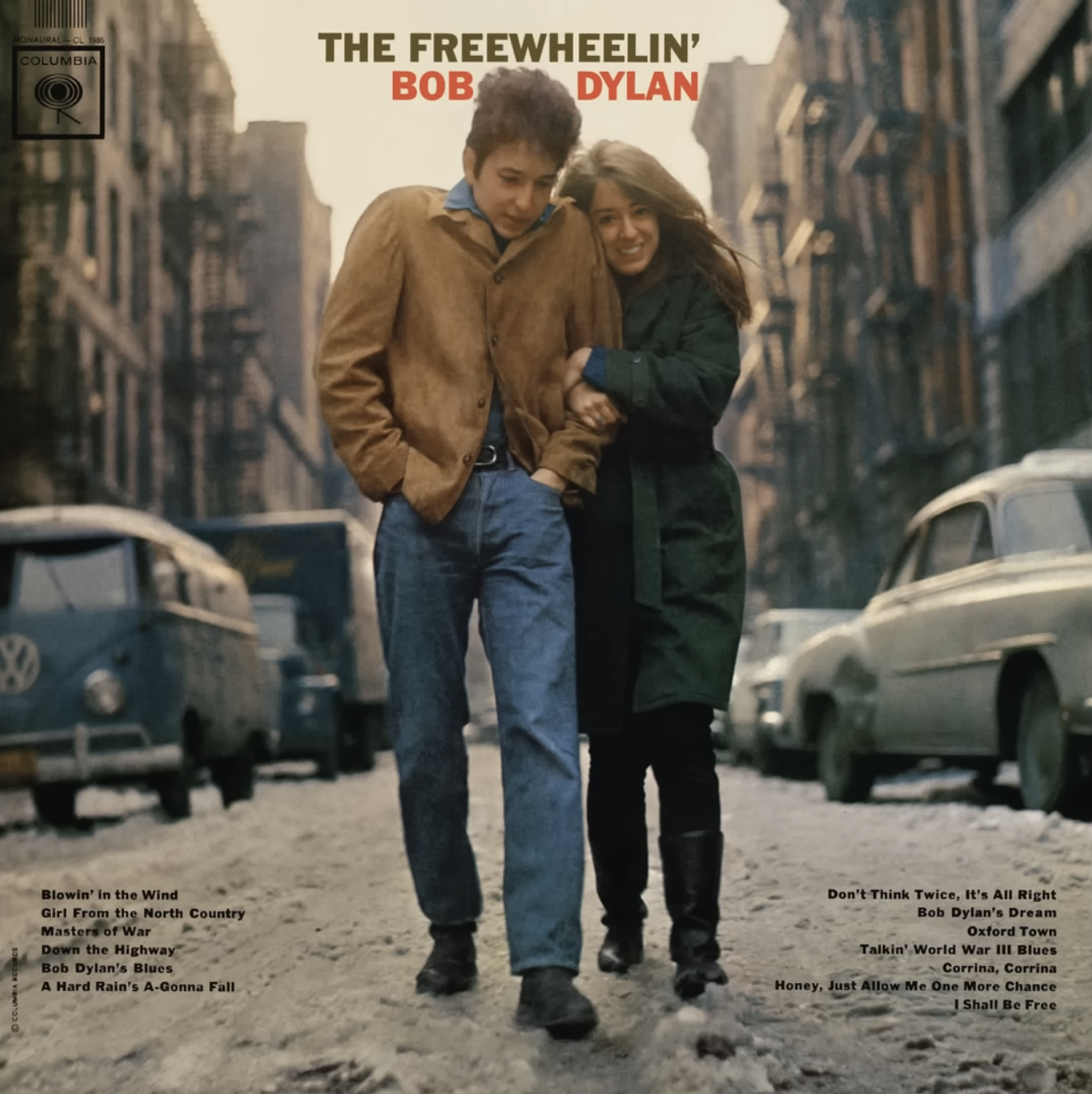
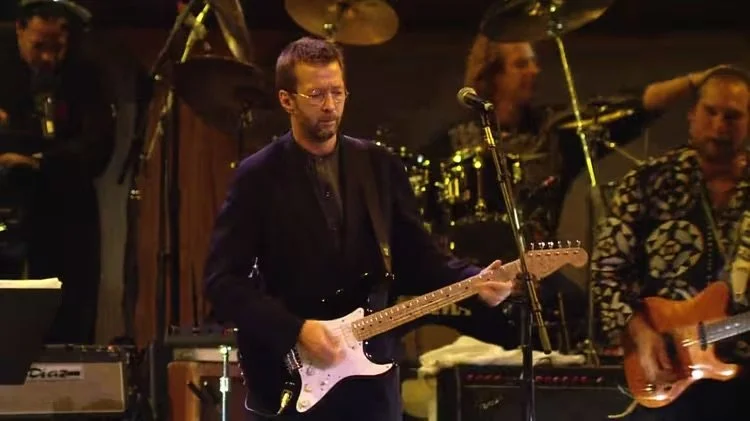
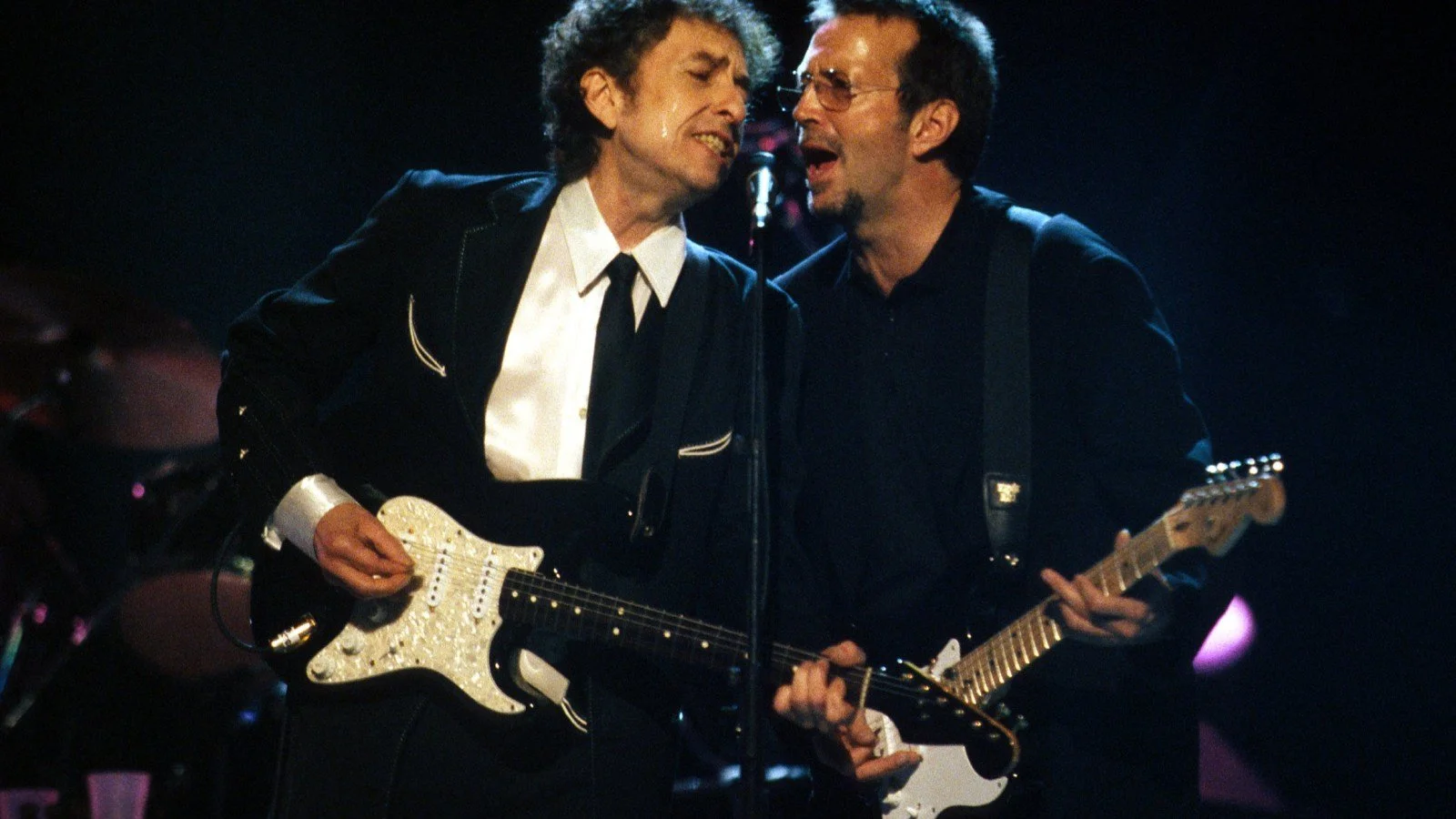
Three interpretations of Bob Dylan’s ‘Don’t Think Twice, It’s Alright’
Session Musicians
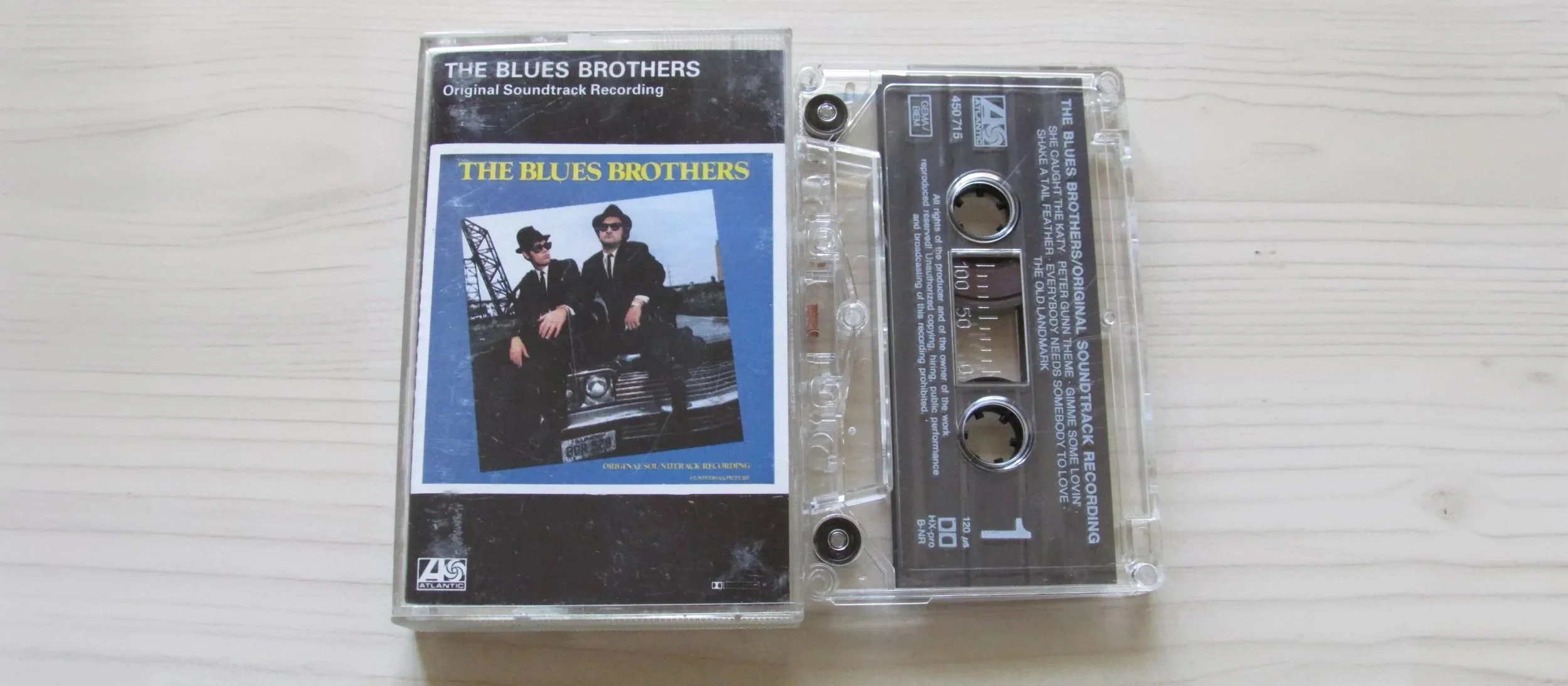
The concept of session musicians became apparent to me, when watching The Blues Brothers on VHS when I was 13 or 14, I had no clue who any of the backing band were at that point, but it was clear they were important, and were not actors.
They were musicians.
I absolutely loved this film and immediately bought a cassette album with pocket money, and just played it over and over. Even now, listening to the opening bars of ‘Everybody Needs Somebody To Love’ transports me to my childhood bedroom. In addition to listening to my Dad’s old Cream & Clapton records, much like Jake, I was starting to see the light.
As I was born in 1981 I was too young to remember Live Aid in detail, but when I was a little older, aged 16 or 17, I installed my first modem in an old PC and started to get dial-up internet. Using LimeWire, much like every other teen at the time, I’d download music and the lowest quality video clips known to man (before YouTube), I think that’s when I downloaded Clapton’s Live Aid set and then spotted Duck Dunn playing in his band.
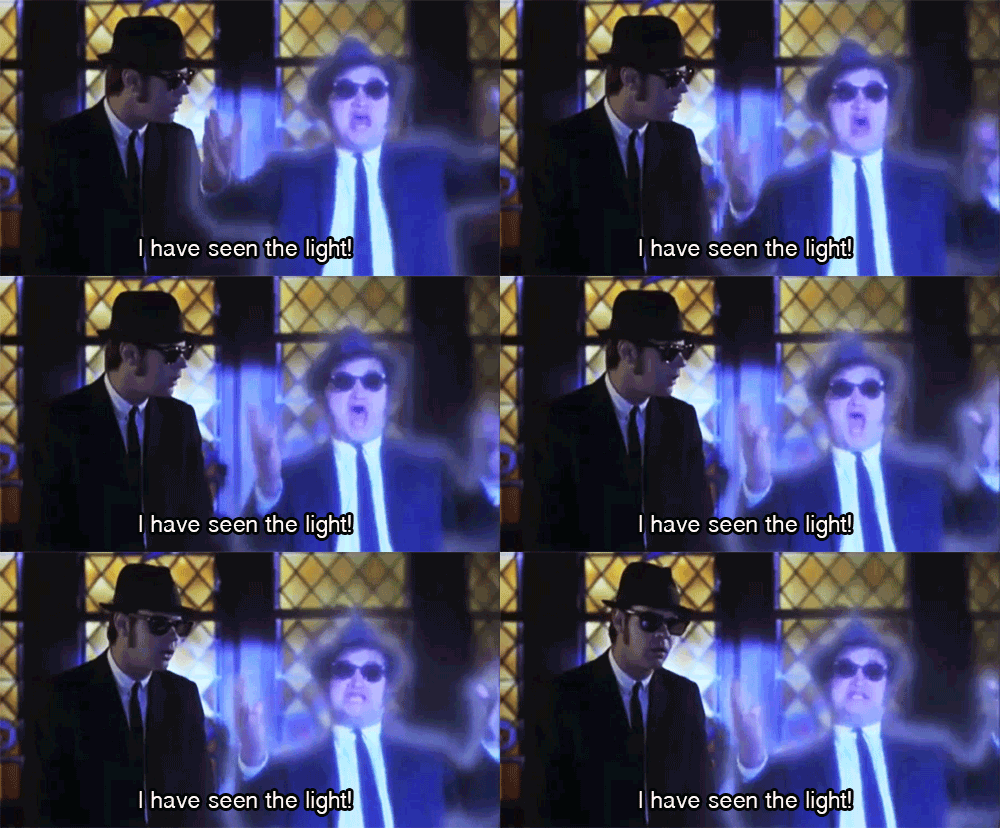
Session musicians became something I paid attention to and sought information on. It was like discovering a secret that no one talked about, or knew anything about. Much like a delicious side to a main course, they formed this essential element of the experience, without getting any of the headlines. Or as Jake puts it “You were the backbone, the nerve centre of a great rhythm and blues band”.
Jake & Elwood getting some of the band back together in The Blues Brothers (1980)
“Jake ain’t lying though, we had a band powerful enough to turn goat piss into gasoline”
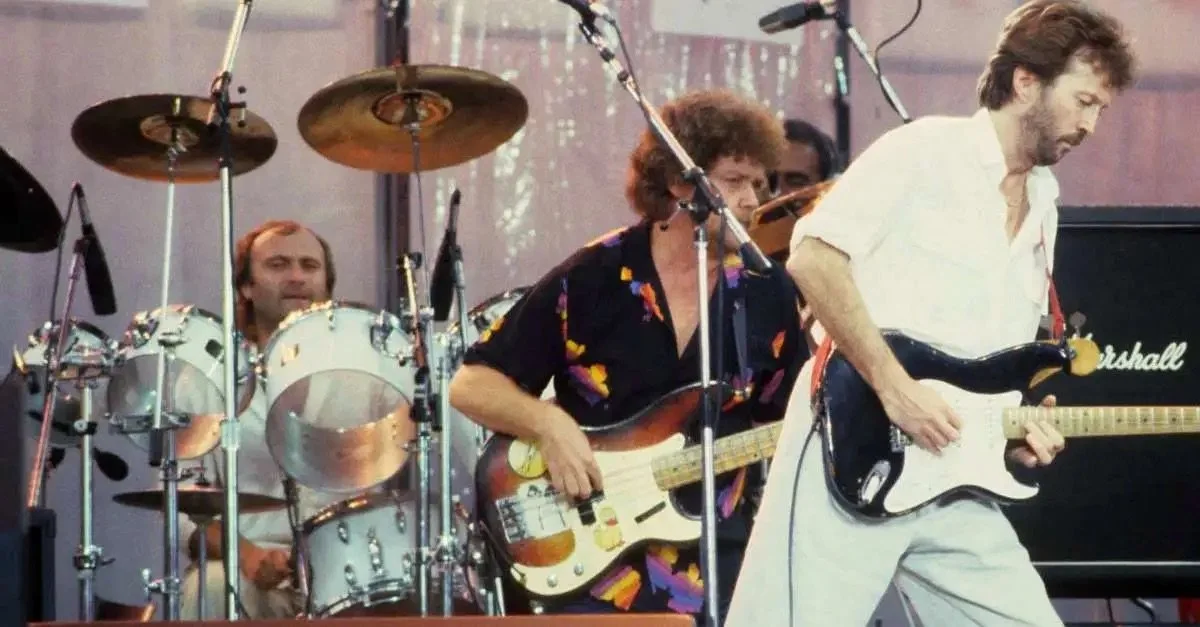
Donald “Duck” Dunn on Bass, with Phil Collins on Drums and Clapton on Guitar @ Live Aid 1985
Since then, I’ve loved connecting the dots of all these great session players, reading liner notes, online credits and Wikipedia to see who they played with through the years and how they connect different artists and bands, like Rock & Roll glue.
It's interesting when session musicians break through, like Jimmy Page, a prolific guitar session musician before The Yardbirds & Led Zeppelin reared their heads. Including playing on Shirley Bassey’s, “Goldfinger” (1964), Petula Clark’s “Downtown” (1964) and Joe Cocker’s “With a Little Help From My Friends” (1968) (which was in between The Yardbirds & Led Zeppelin).
Returning to Eric Clapton, who has had an operational live band since the mid-1970s, which initially started, as mentioned before, with the ‘nerve centre’ of Delaney & Bonnie’s band in the 1970s, but continually shifted and evolved, whether for recording or live duties, usually to match a style he’s looking to embrace.
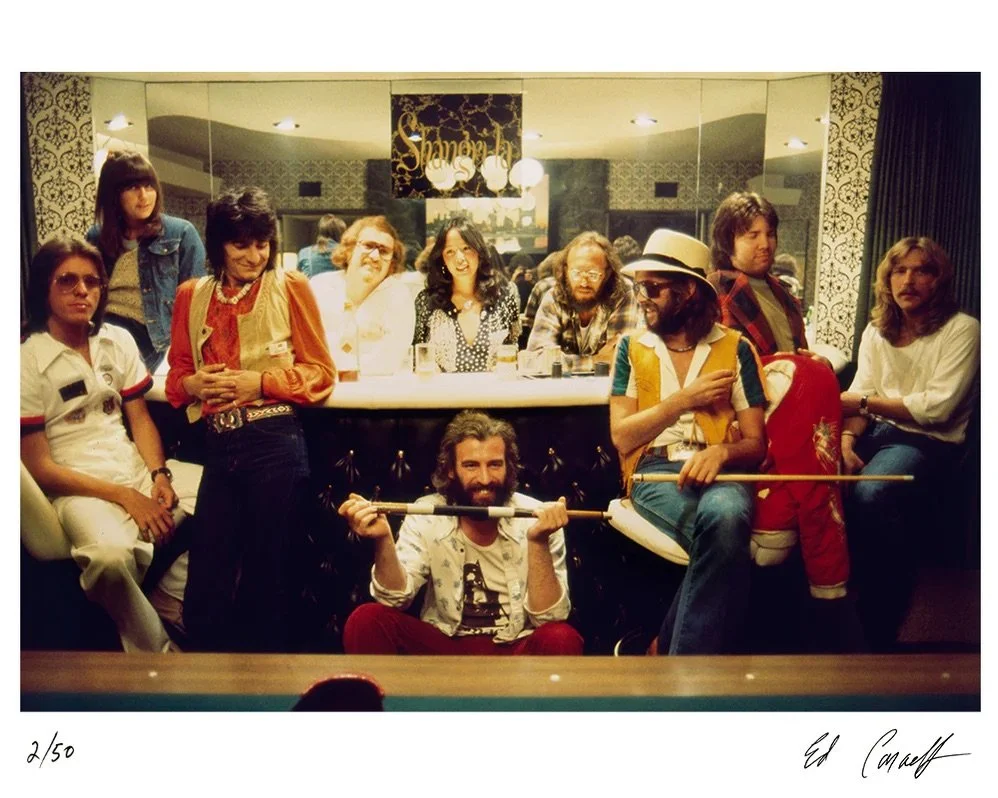
Clapton’s No Reason to Cry sessions, in 1976, at The Band's Shangri-la Studios, from left-to-right; Jamie Oldaker, Marcy Levy, Ronnie Wood, unknown, Yvonne Elliman, Richard Manuel, Carl Radle, Eric Clapton, George Terry and Dick Sims.
As the 1970’s closed out, Clapton sacked the band that served him through the majority of the seventies and briefly toured with a completely British band, including Gary Brooker (from Procul Harum) and Albert Lee who would duel on guitar admirably with Clapton. Whilst this band recorded a great live album, Just One Night, recorded in December ‘79 in Japan - the band floundered recording a new Clapton album (Turn Up Down), resulting in it being rejected by the record label.
Clapton sacked this band and with the aid of his old friend, producer, Tom Dowd, formed a new band with session musicians, including Donald ‘Duck’ Dunn and Ry Cooder to record Money & Cigarettes in 1983. Following this album Clapton headed into the most commercially sounding period of his career on Behind the Sun 1985 and August 1986.
Whilst not the biggest Clapton album, the Behind the Sun sessions mark a pivotal point for Clapton’s sound working for the first time with Phil Collins, Nathan East and Greg Phillinganes, who would be the core of many of Clapton’s performances for years to come.
As mentioned with the Live Aid performance, Clapton played with a mix of his 70’s and 80’s bands, including Tim Renwick on guitar, who he played alongside on the Roger Waters album and tour, The Pros and Cons of Hitch Hiking,
Eric Clapton – guitar/vocals
Donald “Duck” Dunn – bass
Tim Renwick – guitar
Chris Stainton – keyboards
Jamie Oldaker – drums
Phil Collins – drums
Marcy Levy – backing vocals
Shaun Murphy – backing vocals
What’s a House Band?
Many session musicians were part of record label house bands, which were essentially a way for studios to be as efficient as possible, as the conveyor belt of artists came through to record albums, having a reliable house band reduced the time to get a track right. The most famous of these were Stax and Motown. Stax featured our friend Donald Dunn and Blues Brother bandmate, Steve Cropper. There are also collectives of session players, like The Wrecking Crew who
So when
The Secret Policeman’s Ball
The Secret Policeman’s Ball is a notable entry in the era of charity concerts. Initially, it began life purely as a gala of different comedians and comedy acts, coming together to raise money for Amnesty International. Founded by John Cleese campaigner Peter Luff (Assistant Director Amnesty International 1974–1978), and entertainment industry executive Martin Lewis.
“Amnesty first started doing these fund-raising shows in 1976. The instigation came from John Cleese who wanted to help out. And he did it in the only way he knew how. Which was to put on a show with what he described as ‘a few friends’. Who of course transpired to be his colleagues in Monty Python and other luminaries of British comedy.”
While the first events were focused on comedy, music started to weave into the programme bit by bit. By the fourth concert, in 1981, music was provided by Sting, Phil Collins, Eric Clapton, Jeff Beck, Donovan and Bob Geldof.
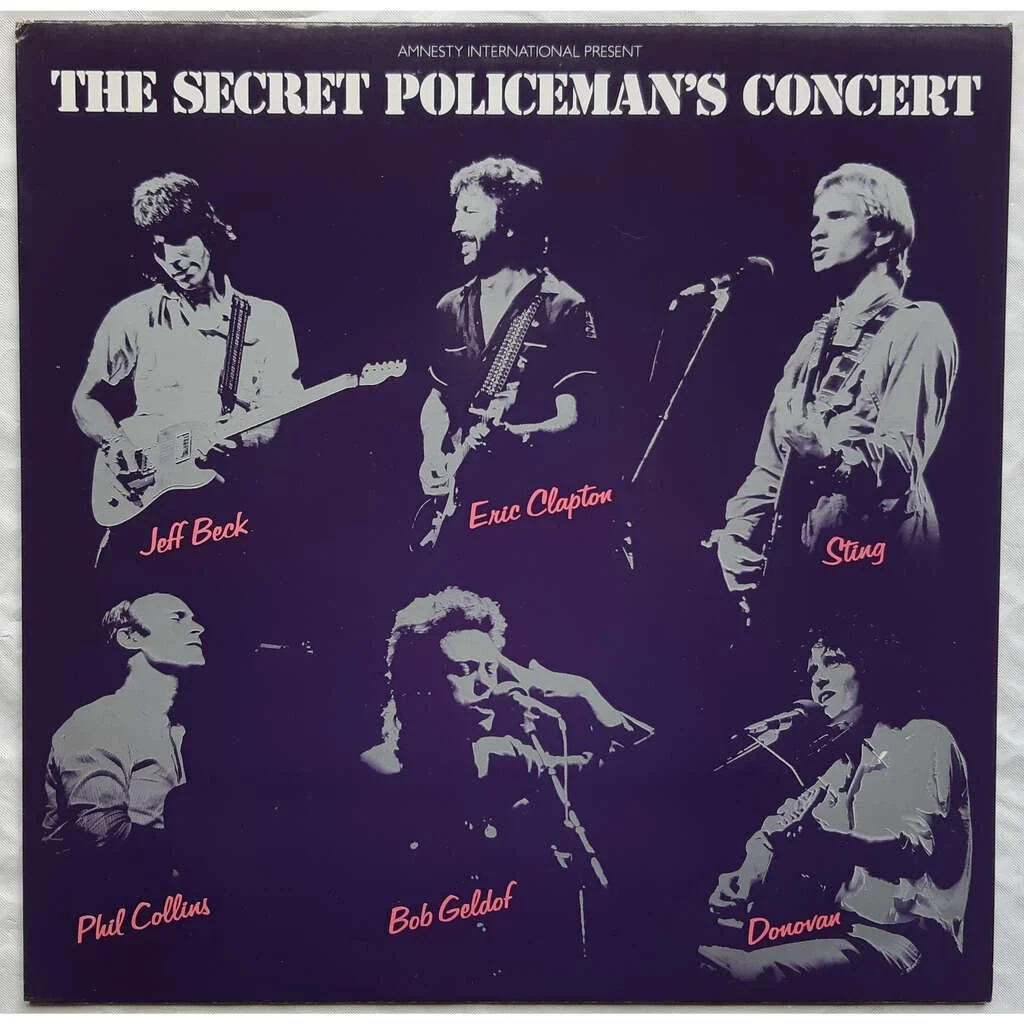
Bob Geldof and Midge Ure first met and worked together at the 1981 concert, with it being the first benefit show that either of them had performed at. Geldof credits The Secret Policeman's Ball series with having inspired what became Live Aid. Ure also became the musical director of the Prince’s Trust concerts, which we will come to shortly.
Whilst there were only a few performers in the 1981 concert, and relatively low-key, The Secret Policeman’s Ball was highly influential in the concept of the benefit concert, with a substantial increase in the number of benefit shows and charity projects in the UK in the early to mid-1980s, for a wide variety of causes.
ARMS Benefit Concert 1983
Ronnie Lane, the bassist in the Small Faces and Faces, was diagnosed with multiple sclerosis and wanted to raise funds for an eight-man hyperbaric unit in London, which at the time was thought to ease symptoms from MS. As Ronnie Lane says in the video above, he had some powerful friends. They all rallied around initially for a gig at The Royal Albert Hall on September 20, 1983, and then nine gigs in the US.
For the initial UK gig Jimmy Page, Eric Clapton, Jeff Beck, Steve Winwood, Andy Fairweather Low, Bill Wyman, Kenney Jones, Charlie Watts and Ray Cooper were all in attendance. Some of the UK’s biggest rock bands reflected through their attendance; The Yardbirds, Cream, Led Zeppelin, The Rolling Stones, The Who, The Spencer Davis Group, Small Faces, Faces, Traffic, Blind Faith, Amen Corner, and more, all in one gig.
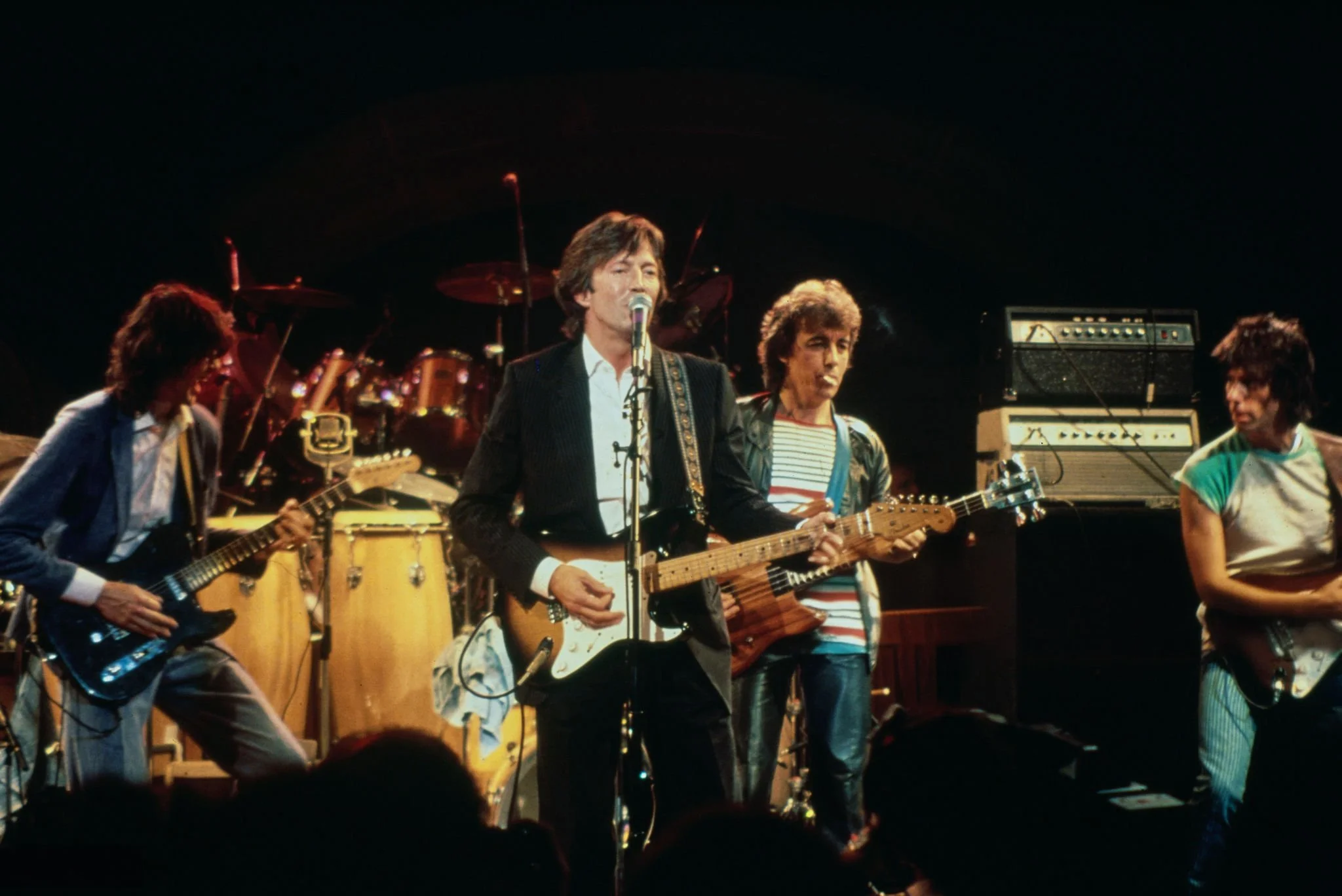
Jimmy Page, Eric Clapton, Bill Wyman & Jeff Beck, ARMS 1983
Set List
Eric Clapton
"Everybody Oughta Make A Change"
"Rita May"
"Lay Down Sally"
"Ramblin' On My Mind"/"Have You Ever Loved a Woman"
"Cocaine"
Andy Fairweather Low
"Man Smart (Woman Smarter)"
Steve Winwood with Eric Clapton
"Roadrunner"
"Take Me To The River"
"Slowdown Sundown"
"Gimme Some Lovin'"
Intermission
Jeff Beck
"Star Cycle"
"The Pump"
"Goodbye Pork Pie Hat"/"Led Boots"
"Hi Ho Silver Lining"
Jimmy Page
"Prelude" (with James Hooker)
"City Sirens" (with Steve Winwood)
"Who's To Blame" (with Steve Winwood)
"Stairway to Heaven" (Instrumental)
All
"Tulsa Time"
"Layla"
"Goodnight, Irene" (with Ronnie Lane)
It also marked the first time Clapton, Beck and Page, each a former lead guitarist for The Yardbirds, had performed together on stage. There’s a great moment when they unite to play Layla, with each taking turns at solos with their unique playing style and guitar tone shining through.
This is also the first time a benefit concert had a distinct ‘super house band’, with each main component of a band filled by a star in their own right, in addition to some of the best session musicians who mainly provided specific accompaniment for the artists who had distinct sections, Clapton, Winwood, Beck & Page.
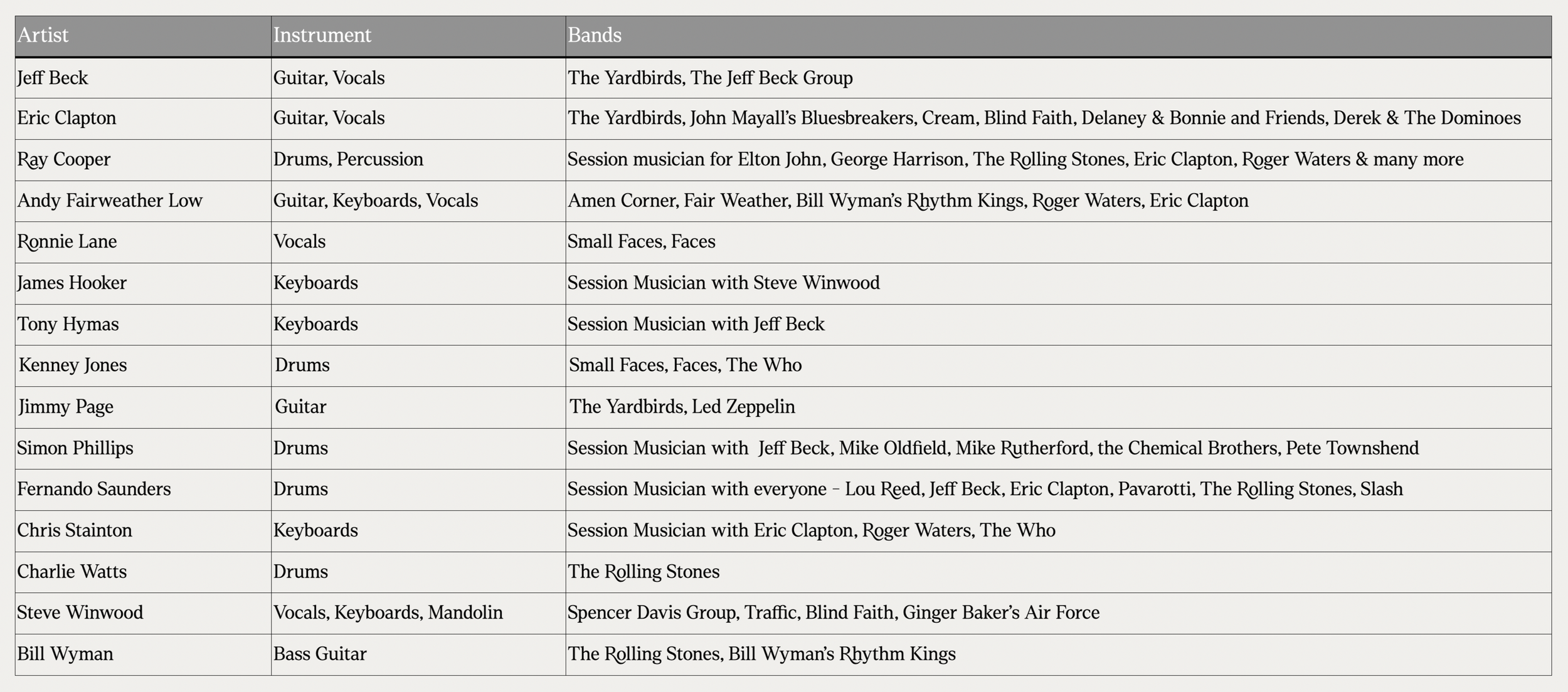
ARMS 1983 - Personnel (London)
One of the most infamous rock session musicians is Ray Cooper, the towering bespectacled bald percussionist who will typically find a way to dominate proceedings at gigs like this with some on-stage antics. On this occasion, during the Layla coda, he decides to flip over a full-sized gong after enthusiastically smashing the hell out of it, causing the whole band to point and laugh.

There are so many special moments that come through this gig, even the first track they all play, a deep cut from Clapton’s Money & Cigarettes’ “Everybody Oughta Make a Change” when after the band is introduced, they begin the track sans Clapton, who then joins to initially only sing the first verse before kicking the song into gear when he joins the band playing rhythm guitar.
Clapton’s set is quite laid back (for his live standards), saving a turbo speed “Layla” for the Encore (look out for Andy Fairweather-Low trying to slow the band down), but like the opening track includes rare performances like “Rita Mae”, some of his hits “Lay Down Sally”, “Wonderful Tonight”, “Cocaine” and one from his 70s live playbook, combining two different Blues standards into one sprawling composition, with some beloved key changes throughout - listen out at the 3min 35-second mark ‘Take it up to a D!’; 4min 25-second mark ‘Up to A!’ and with one at 5min 15-second ‘Up to C!’ takes the song from “Ramblin’ on My Mind” seamlessly into “Have You Ever Loved a Woman”. There are a few more key changes in there which inject a real energy to each solo, I’m sure Eric turns his guitar up even louder, or brings in a new guitar effect after shouting ‘Take it to D!’ at 6min 55 seconds.
One other notable point is Clapton gets a bit fruity with his guitar selections, typically opting for one Strat for most electric duties when live, in this gig Clapton brings out more from his collection.
Starting with a down-tuned blue Strat for his slide-playing on “Everybody Oughta Make A Change”.
Switching to a rare Gibson Explorer for “Rita Mae”, “Ramblin’…” and “Cocaine”.
His favourite guitar ‘Blackie’ for “Lay Down Sally”, much of Winwoods set, and “Layla”.
‘Brownie’ (The “Layla” strat) for Andy Fairweather Low’s song “Man Smart (Woman Smarter)”, and “Tulsa Time”.
An acoustic, likely a Martin, for Winwood’s “Slowdown Sundown”.
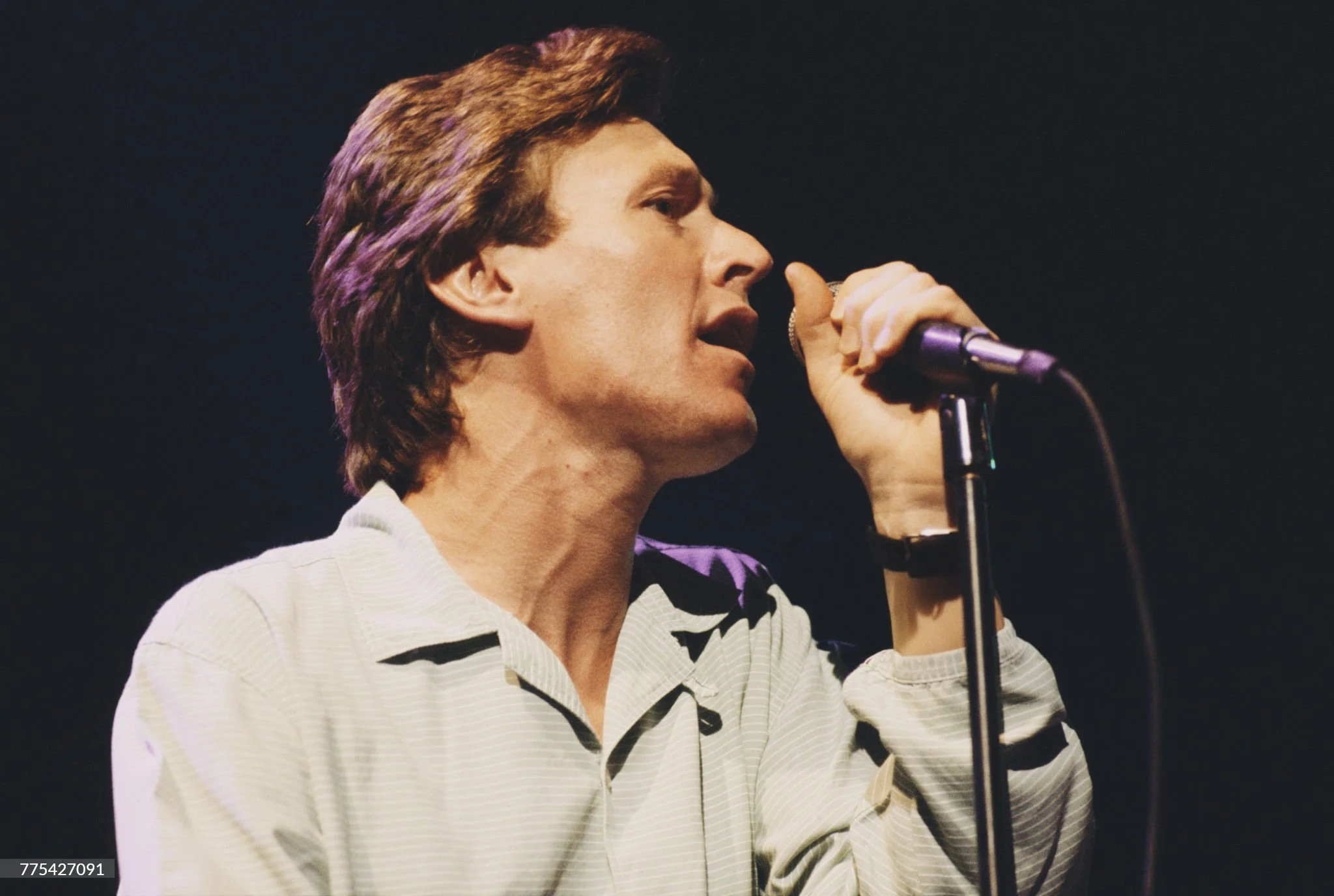
Steve Winwood’s set injects some energy to proceedings with a faster pace, and it’s a shame Winwood doesn’t appear in more of these types of gigs as he adds such a different dimension to the band, with his ability to play along with anyone, and he’s a human Swiss Army Knife of skillsets - seemingly able to play (and solo) on any instrument and one of the best R&B voices in the business. On his track below, he almost eerily recreates Junior Walker’s voice and the sax solos with his synthesizer.
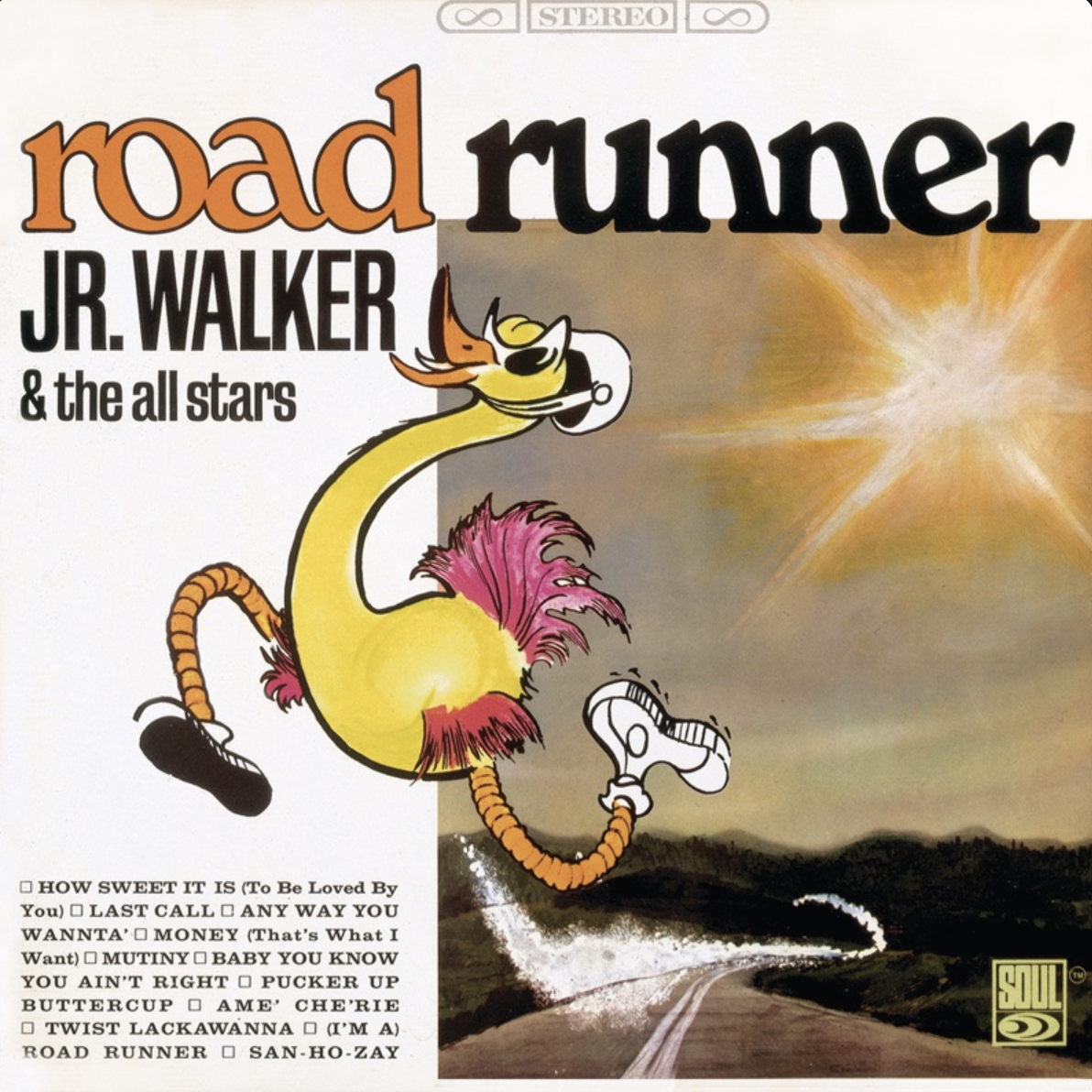
There is some further detail here on the ARMS concerts, and if you want to sneak some MP3’s of the concerts, the great website Albums That Should Exist. And at time of writing, the whole gig is on YouTube, here.
A lovely clip from the ARMS gig, showing all the different artists discussing who they’ve played with before and who they’re looking forward to performing with, teeing up Clapton, Page & Beck playing together for the first time on stage for Clapton’s “Tulsa Time”.
This clearly showcasesing this community that exists where the joy of playing together
“The Prince’s Trust Albert Hall gig was a few weeks after the Mandela show and after that I decided it was enough. I told Prince Charles that in order to keep it bright and fresh he should ask someone else. I’d done three years in a row and that was plenty. After I walked away the balance changed; it turned into Cliff and Kylie and then into Party In The Park.”
When it tailed off more to overt pop bands, the rock guys got old, and pop stars are singers with session musician bands, so no real possibility to truly collaborate in a way, and in the worst case when it’s the more manaufatires pop bands - there’s absilutely no chance for collaboration as it’s all corporate that that point.
Whilst the Prince’s Trust gigs did change tact, this group of people would always be called upong for a variety of charity or celbratory gigs over the next couple of decades.
Knebworth
Music for Montserrat
Queens Jubillee
Party at the palace 2002
Tsunami relief
The Death of the Band
There is a compelling argument in this video, from Rick Beato, who was inspired by a comment he saw from Richard Osman where he broke down the total lack of bands in the current charts / mainstream musical culture.
It expresses shocking data to back up the claims, the key one being that Rick gets the 400 top artists on Spotify, in terms of monthly listeners, to see how many bands had been created in the last 10 years. Out of 400, there was only three!
Who else, huh?
Hip-Hop
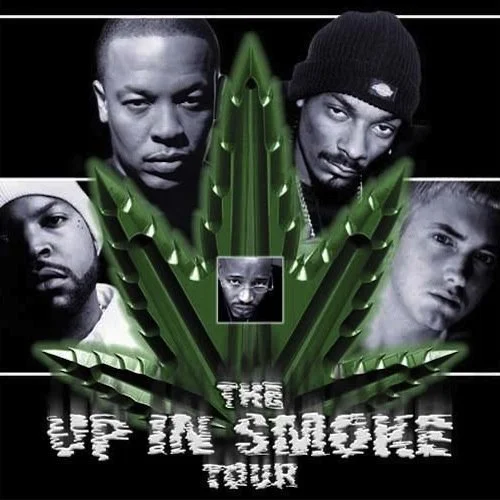
Hip-Hop remains a genre of music that thrives from collaboration, whether with guest vocals, sharing writing duties or inviting guest producers to record with. The earlier clip from the ARMS 83 concert, with all the different musicians saying who they’ve played with, could easily be made with the equivalent artists from Hip-Hop in the last twenty years.
There are fluid collaborations (when they’re not falling out with each other).], with their skill sets complementing each other and sharing the same musical ‘rules’ they know and know what to break.
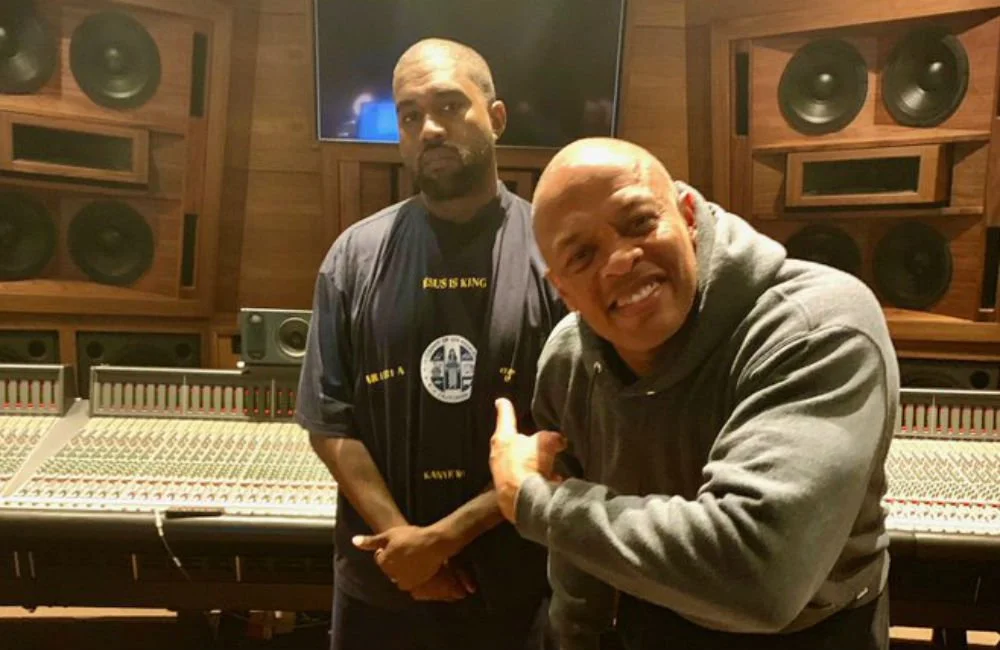
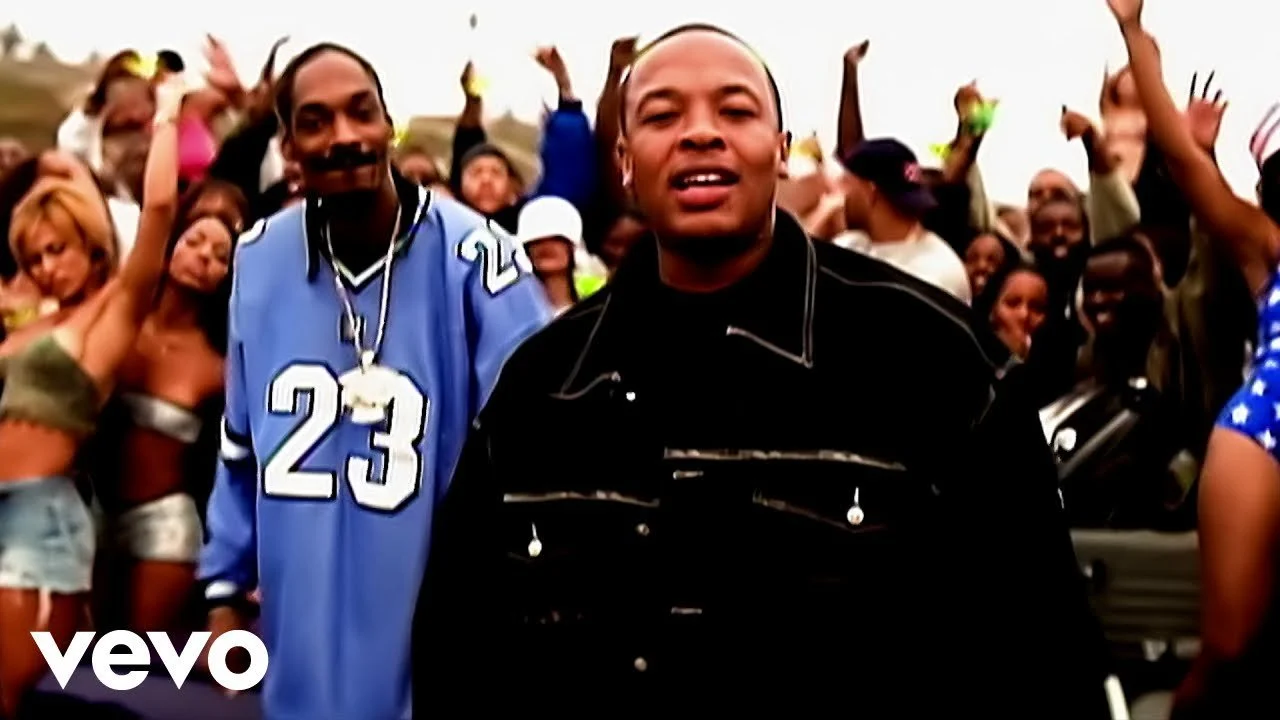
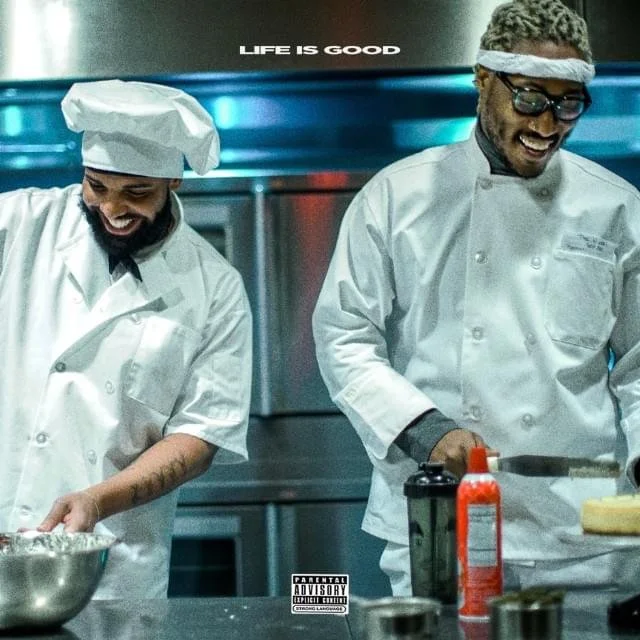
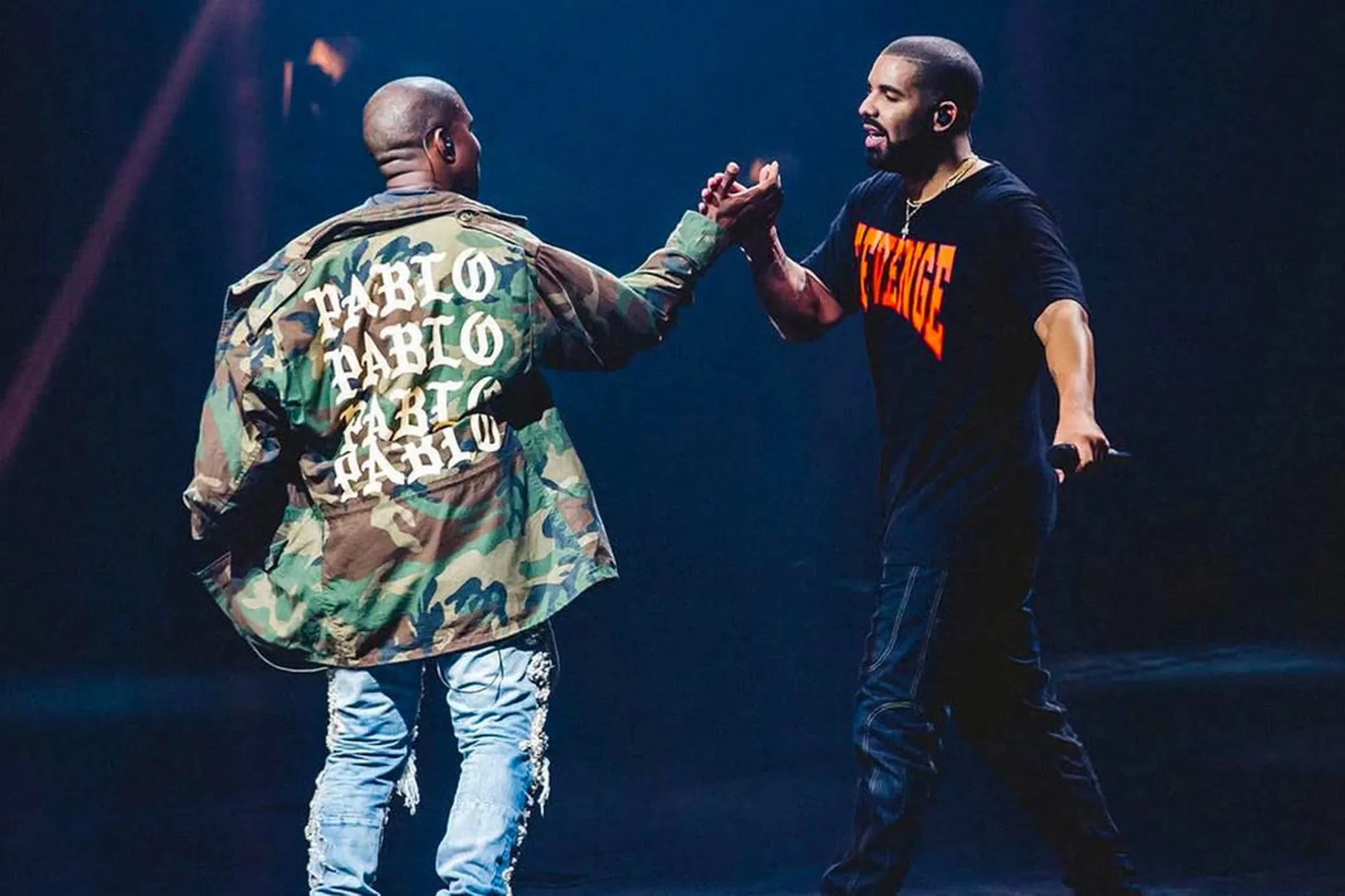
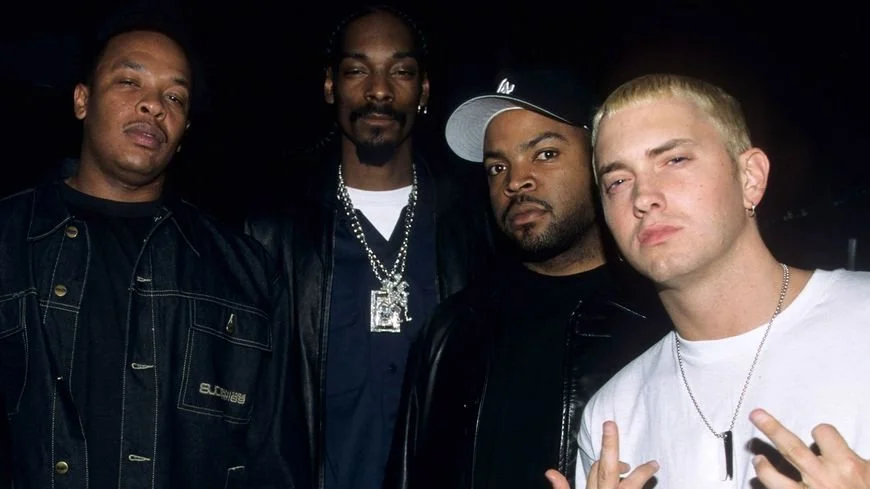
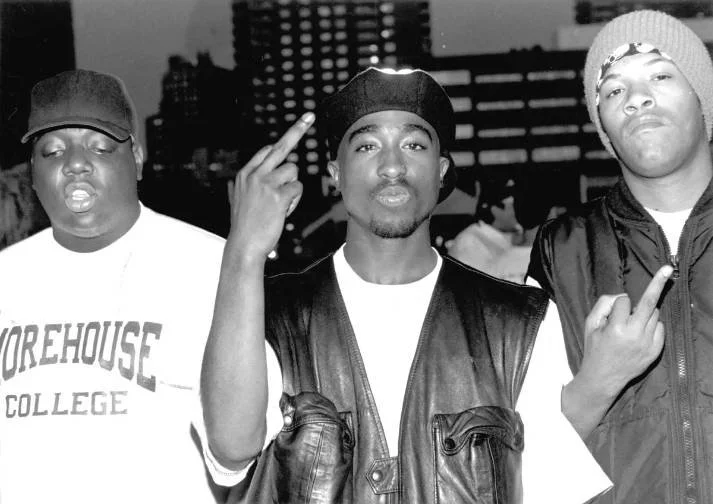
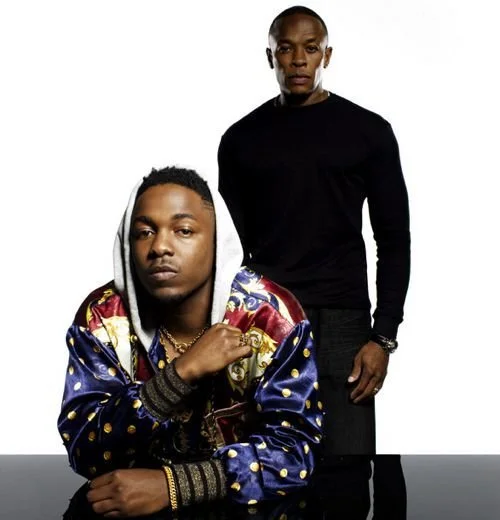
Whilst they don’t play the same instruments as the rock gods, Hip-Hop producers are equivalent, which is the core of the collaborative spirit, creating something new with friends and going in a direction you may have never thought of before. If you love it, others will too. These now iconic clips of Jay-Z’s reaction to hearing beats that Timbaland and Kanye have created for him, show the magic of creativity when you just know you’ve landed on something amazing (and didn’t exist before).
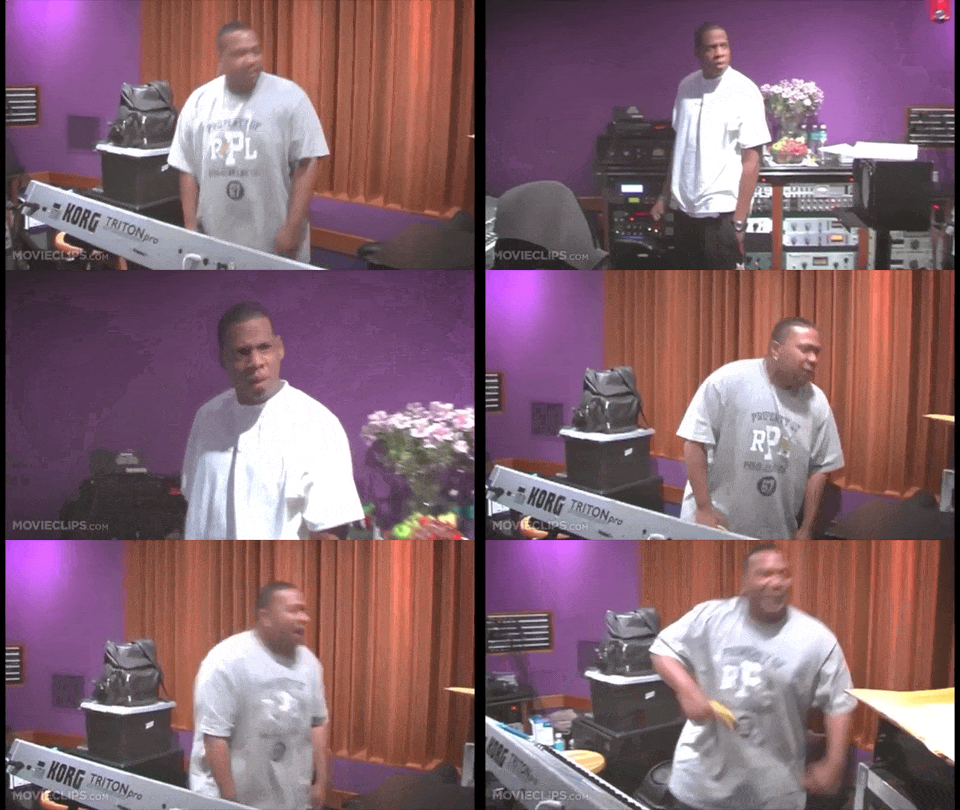
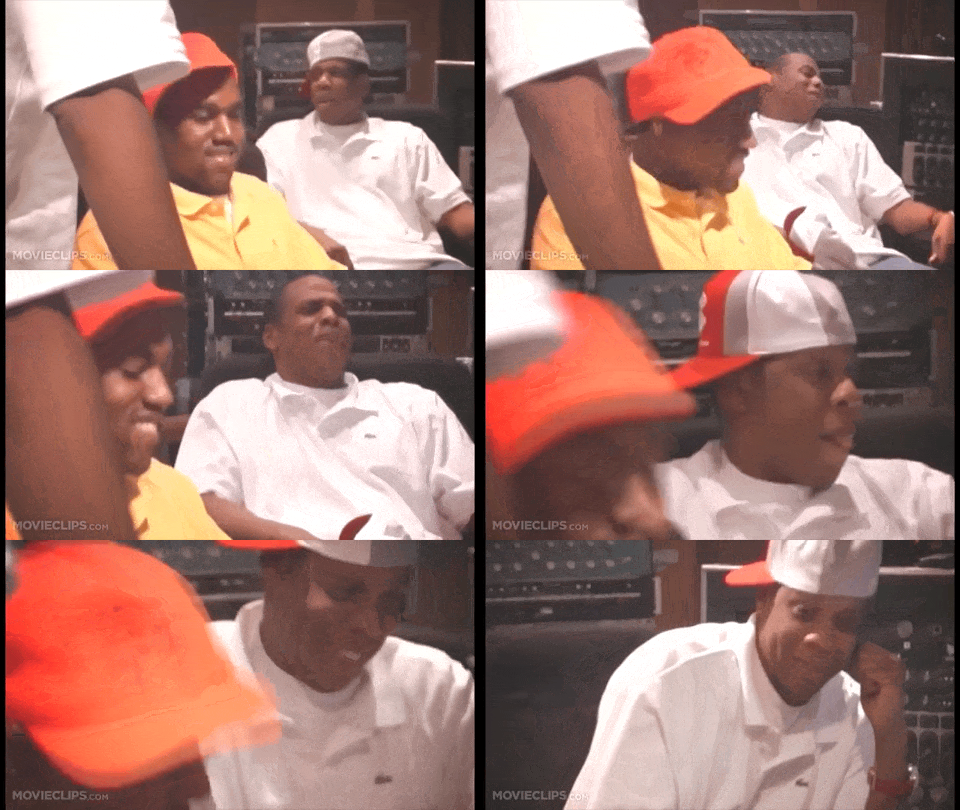
Bringing this back into the ‘house band’ point of view, whilst these artists haven’t got a call-up from Prince/King Charles, some of the biggest artists in Hip-Hop got together for the now infamous Up In Smoke tour and showed how these artists have the ability to collaborate together on stage.
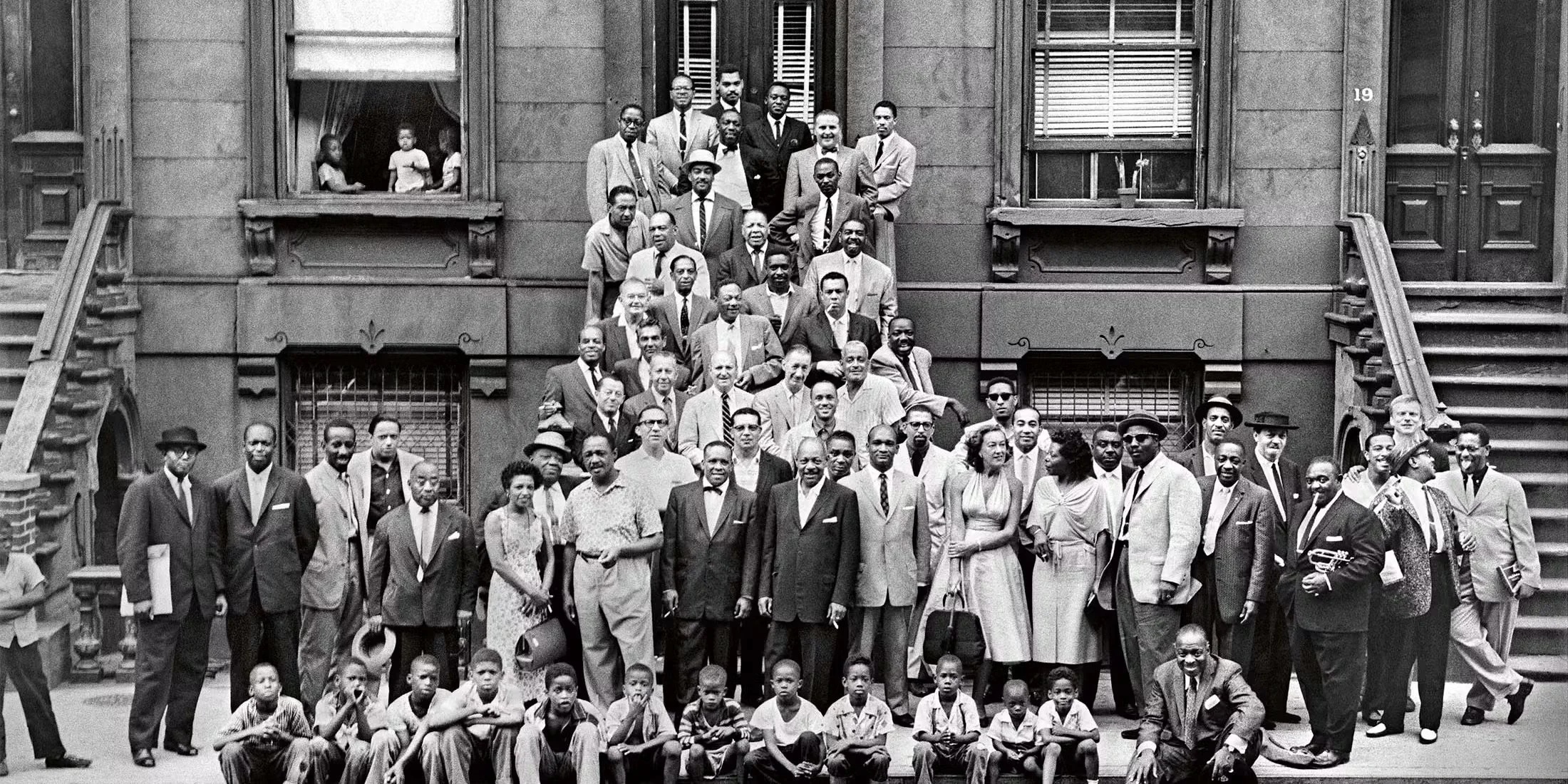
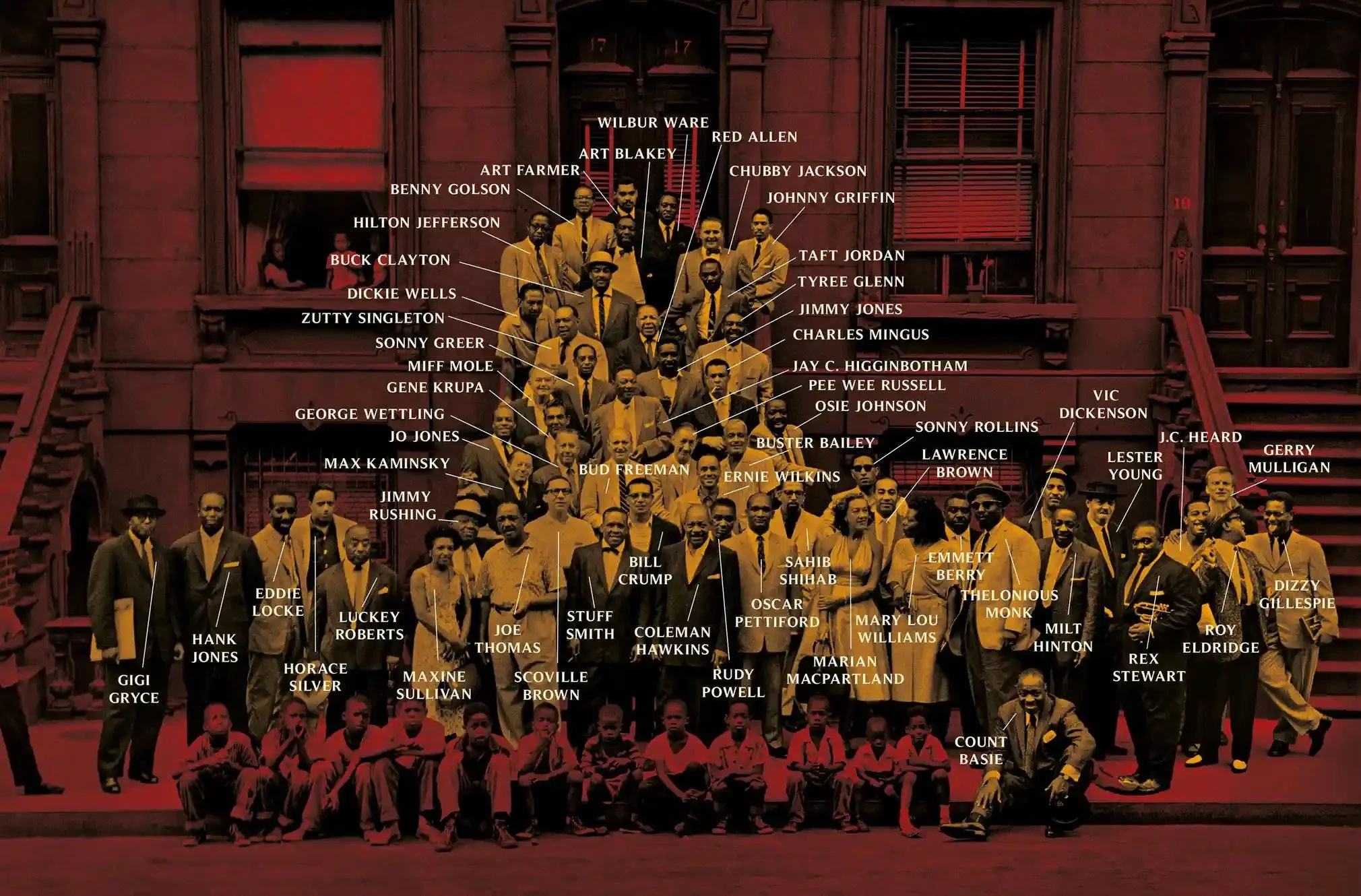
Jazz
Summary
For over twenty years some of the world’s biggest Rock and Pop artists helped propel awareness and raise money for various charitable causes.
This cultural artefact was only possible due to certain factors:
The notable artists were global stars who could easily headline a concert. However, collaborating with so many others gave these events an exponential force of attraction, making them unmissable events and driving huge public interest and awareness of the charitable causes.
Many of the headlining artists had been established for over twenty years. TWENTY YEARS of singles, albums, and tours driving incredible levels of in built interest, which made these events unmissable for their fans.
The artists were already friends and/or collaborators, with many other artists performing, helping give the concerts an authentic convivial atmosphere.
The majority of the key artists were instrumentalists in addition to being singers, allowing for an additional layer of seamless collaboration. Eight singers are not going to be able to perform together easily (or fairly), whereas a band of musicians can seamlessly fit in together.
A drive for people to have awareness outside of the bubble of their own lives and to help others, whether in the UK or further afield, like Live Aid’s drive to end hunger in Ethiopia.
With the passing of bands
e ability to do this so succesfully is directly related to the
These charitable endeavours
Whilst these concerts are all incredibly entertaining to look back on, the quality of performances may be better than some, and in some cases, they may just show
This period, from the 1980s to the early 2000s, where Rock & Pop music and musicians were utilised to propel awareness and raise money for charitable causes to audiences who loved seeing their favourite artists collaborate in this way, is a si whilst being entertained by some of the biggest stars of the time
Looking back with rose-tinted spectacles, it’s easy to revel in these types of concerts where all your favourite artists got to play together in addition to helping upcoming artists. But a particular set of circumstances let those 20-year
With a Little Help from My Friends
Encore of The Prince's Trust 1987 Concert